
Compare and Choose Reliable Residential Construction Contractors
Compare local contractors to define project scope, verify experience, and establish clear expectations, helping property owners make informed decisions for residential construction.
Residential construction projects encompass a wide range of work, including additions, renovations, remodeling, and new builds within a home. These projects often involve multiple trades such as carpentry, electrical, plumbing, and finishing work. When selecting a contractor, it’s important to understand the scope of work they can handle, as well as their experience with similar projects. Clarifying what is included-such as demolition, framing, insulation, or interior finishes-helps ensure that expectations are aligned and that the project moves forward smoothly.
Defining the scope of a residential construction project is a critical step that directly impacts the success of the work. A clear, detailed scope helps property owners communicate their needs precisely and allows contractors to provide accurate information about what the job entails. It also reduces the risk of misunderstandings or overlooked tasks. A well-documented scope can serve as a reference point throughout the project, helping to manage changes or additions and ensuring that all parties have a shared understanding of the work to be completed.
When comparing local contractors for residential construction, property owners should consider their experience with similar projects and their ability to deliver quality work. Gathering information about each service provider’s background, including references or portfolios of completed work, can be helpful. It’s also important to verify that contractors are transparent about their process and willing to put the scope of work and expectations in writing. This documentation can serve as a foundation for a successful partnership and help property owners make informed decisions about which local providers are best suited for their needs.
Compare local contractors by outlining your project priorities, verifying experience, and clearly defining expectations in writing.
- Compare Contractors - Review credentials and experience to find service providers suited for residential construction projects.
- Define Project Scope - Clearly outline the work to be done to ensure all parties understand expectations.
- Verify Experience - Check references and past work to assess the expertise of local contractors.
- Document Agreements - Put project details and expectations in writing to help prevent misunderstandings.
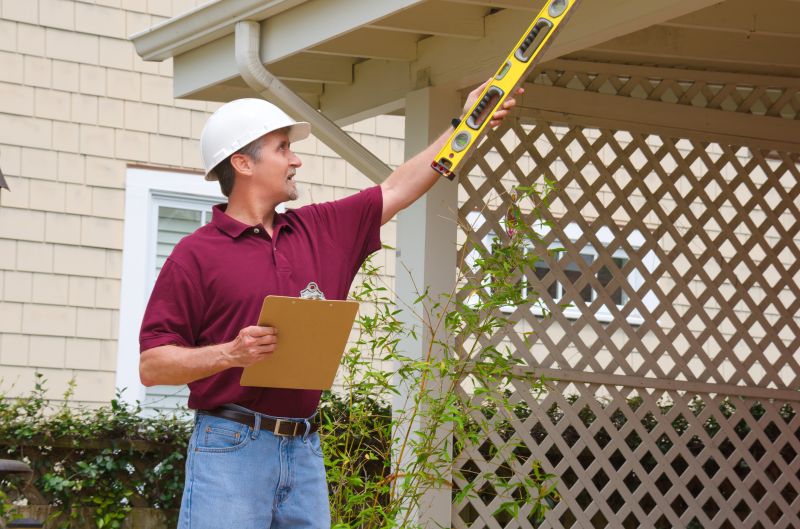
Before comparing local contractors, clearly describe your project scope to ensure accurate options and expectations.
- Verify experience and references of local contractors for residential construction projects. - Ensure service providers have a proven track record with similar residential builds or renovations.
- Define the scope of work clearly in writing to prevent misunderstandings during the project. - A detailed scope helps compare proposals and sets clear expectations for deliverables.
- Check that contractors provide detailed project plans and specifications before work begins. - Clear plans facilitate accurate comparisons and ensure everyone is aligned on project details.
- Confirm that local contractors have appropriate insurance coverage to protect against potential liabilities. - Insurance verification is essential to mitigate risks associated with construction work.
- Discuss and agree upon project milestones and deliverables in writing to track progress effectively. - Documented milestones help ensure the project stays on track and expectations are met.
- Compare multiple local service providers to evaluate their experience, scope definitions, and communication practices. - Comparing contractors allows for informed decisions based on professionalism and clarity.
Compare local contractors to clarify scope, verify experience, and set clear project expectations.

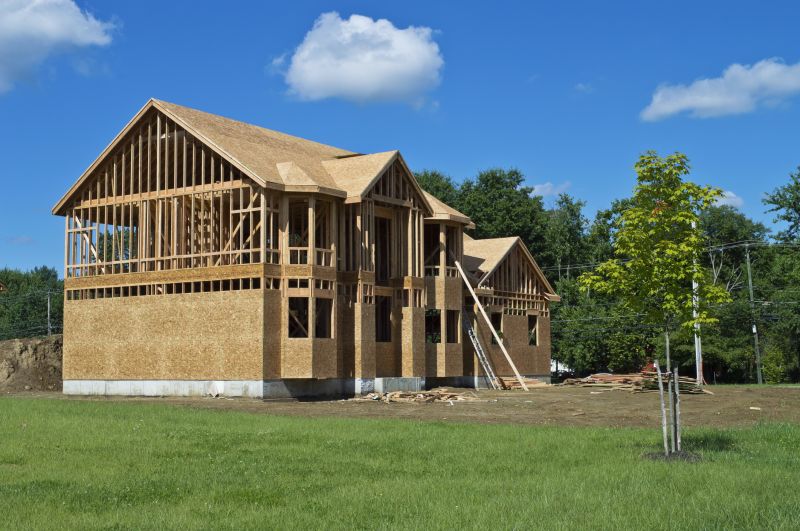
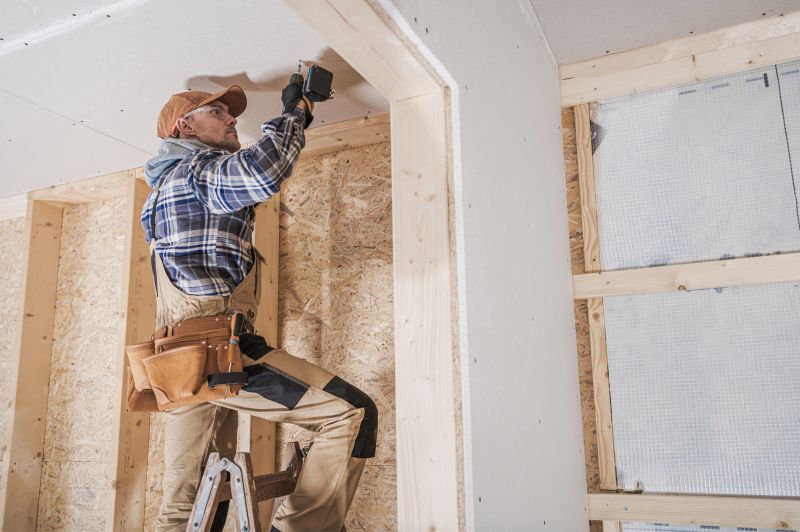

Learn how to compare local contractors, define project scope, verify experience, and set clear expectations in writing.
- Define project scope - clearly outline the specific construction tasks and areas to be addressed in the residential project.
- Verify experience and expertise - assess the contractor’s background in residential construction to ensure relevant skills.
- Establish materials and finishes - specify the types of materials, fixtures, and finishes to be used in the project.
- Set expectations in writing - document all project details, responsibilities, and deliverables in a formal agreement.
- Determine communication protocols - agree on how updates, questions, and changes will be communicated throughout the project.
When evaluating residential construction contractors, it’s important to consider their experience with projects similar in scope and complexity. Service providers who have a proven track record with comparable work are more likely to understand the specific challenges and requirements involved. Asking about past projects that resemble your planned construction can provide insight into their familiarity with the type of work you need, helping to ensure they possess the relevant expertise to handle your project effectively.
A clear, written scope of work is essential for establishing mutual understanding and setting expectations. A detailed description of the work to be performed, including materials, methods, and specific deliverables, helps prevent misunderstandings and scope creep. Service providers who can provide a comprehensive written outline demonstrate professionalism and transparency, making it easier to compare options based on the level of clarity and thoroughness they offer.
Verification basics are a key part of assessing residential construction contractors. While formal licensing or certification may not be the focus, it’s valuable to verify references, review portfolios of completed work, and confirm their familiarity with local building codes and standards. Gathering information about their previous projects and speaking with past clients can help confirm their experience and reliability, providing a more complete picture of their capabilities and work ethic.
When comparing different service providers, it’s helpful to evaluate how well each contractor communicates and documents their approach. Look for detailed proposals, written scope of work, and clear explanations of processes. This can reveal how thoroughly they plan and organize their work, which is a good indicator of their professionalism. Focusing on these aspects allows for an informed comparison of options based on quality of communication, experience, and clarity, rather than price alone.
Ask contractors to provide written scope of work to ensure clarity and consistent expectations throughout the project.
- Scope Clarification - What specific tasks and responsibilities will the contractor include in the project scope?
- Experience Verification - How can the contractor’s previous residential construction projects demonstrate their expertise?
- Comparison Criteria - What key factors should be used to compare different local contractors’ approaches and services?
- Work Expectations - How will the contractor document and communicate the project scope and deliverables in writing?
- Scope Changes - What process will the contractor follow to handle modifications or additions to the original scope?
What should I consider when choosing a residential contractor? It's important to compare local contractors based on their experience, reputation, and the scope of services they offer. Verifying their background and reviewing past work can help ensure they meet your project needs.
How can I define the scope of my residential construction project? Clearly outline your project requirements, desired outcomes, and specific details. Communicating this in writing helps contractors understand expectations and deliver results aligned with your vision.
What questions should I ask a contractor before hiring? Inquire about their experience with similar projects, the processes they follow, and how they handle unforeseen issues. Asking for references or examples of completed work can also provide insight into their capabilities.
How do I verify a contractor’s experience? Request information about their previous projects, client references, and the types of residential construction they specialize in. Reviewing their portfolio can give a sense of their expertise and quality of work.
What is the importance of putting agreements in writing? Having a written agreement clarifies project scope, responsibilities, and expectations. It helps prevent misunderstandings and provides a reference point throughout the construction process.
How can I compare different residential contractors effectively? Gather detailed information about each contractor’s experience, services offered, and reputation. Comparing their proposals, references, and communication style can assist in selecting the most suitable service provider for your project.
By exploring options for residential construction contractors, visitors can gain a clearer understanding of how to define project scope, verify experience, and set clear expectations in writing. Comparing local service providers helps ensure that choices align with individual project needs and preferences, making the process more manageable. Utilizing the quote form to connect with multiple contractors makes it easier to evaluate options side by side and find the right fit for the job.
Taking the time to use the quote form allows homeowners to gather information about various local contractors, helping to streamline the decision-making process. This approach supports informed comparisons and ensures that expectations are clearly communicated before work begins. Engaging with experienced service providers through this method can help facilitate a smooth and transparent construction experience.