
Compare Local Contractors for Custom Home Building Projects
Compare local contractors to define project scope, verify experience, and set clear expectations in writing for your custom home building needs.
Contractors specializing in custom home building typically handle a wide range of services related to designing and constructing a personalized residence. This includes coordinating with architects or designers, managing the procurement of materials, overseeing construction activities, and ensuring that the project aligns with the owner’s specific preferences and requirements. These professionals work closely with property owners to translate ideas into detailed plans and oversee the execution to bring the vision to life, ensuring that every aspect of the build meets the desired standards and specifications.
Clearly defining the scope of work is essential when working with contractors for custom home projects. A well-detailed scope helps establish mutual understanding of the project’s extent, including the specific features, finishes, and quality levels expected. It also provides a basis for documenting responsibilities and deliverables, which can prevent misunderstandings or scope creep later in the process. Having a written scope ensures that both property owners and contractors are aligned on what is included and what is not, fostering smoother communication and more effective project management.
When comparing local contractors for custom home building, property owners should evaluate their experience with similar projects and ask for examples of past work. It’s important to verify the contractor’s familiarity with the type of home being planned, as well as their ability to work within the local building codes and regulations. Gathering multiple proposals allows for comparison of their approaches to scope, communication style, and professionalism. Reviewing references or speaking with previous clients can also provide insights into how contractors manage expectations and handle the complexities of custom builds, helping property owners find service providers best suited to their specific needs.
Compare local contractors by outlining your priorities, verifying experience, and setting clear project expectations in writing.
- Compare Contractor Credentials - Review experience, references, and project portfolios to evaluate potential service providers.
- Define Project Scope Clearly - Outline specific requirements and expectations to ensure mutual understanding with contractors.
- Verify Experience and Past Work - Assess previous projects and client feedback to gauge contractor expertise.
- Document Agreements in Writing - Establish detailed contracts covering scope, responsibilities, and deliverables to set clear expectations.
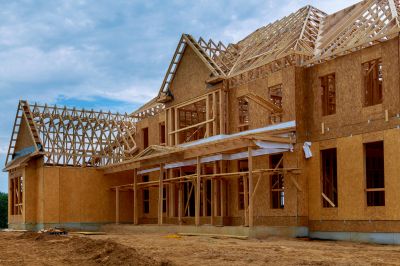
Clearly describe your custom home project first to effectively compare local contractors, verify experience, and set expectations in writing.
- Verify experience with custom home projects similar in scope and style. Ensure contractors have a proven track record of building homes comparable to the desired design.
- Define the scope of work clearly in writing to prevent misunderstandings during the project. Detailed documentation helps set expectations and provides a reference throughout construction.
- Assess the contractor’s ability to handle the specific features and finishes planned for the home. Confirm they have expertise in the materials and techniques required for the project.
- Check references or reviews to gauge the quality of previous custom home builds by the contractor. Feedback from past clients offers insight into their reliability and craftsmanship.
- Ensure the contractor provides a detailed proposal outlining work breakdown, materials, and project milestones. A comprehensive plan helps compare service providers effectively.
- Discuss communication methods and establish how updates and changes will be documented in writing. Clear communication practices help manage expectations and resolve issues promptly.
Use this to compare local contractors, clarify project scope, verify experience, and set clear expectations in writing.

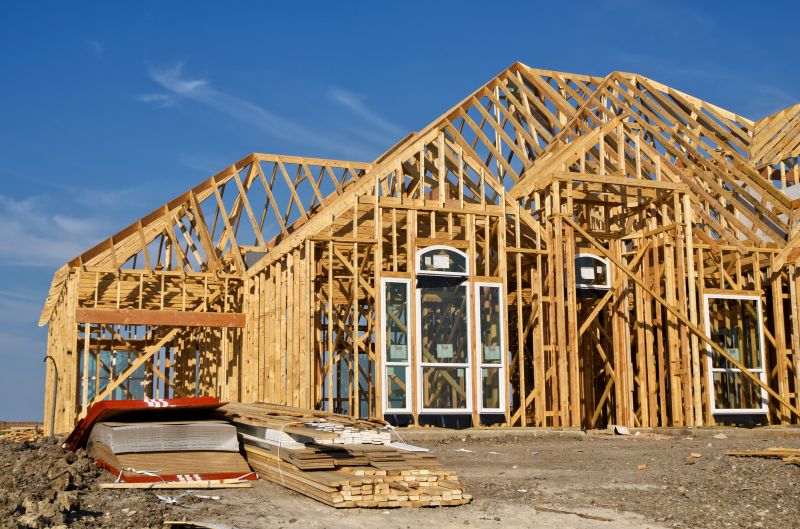

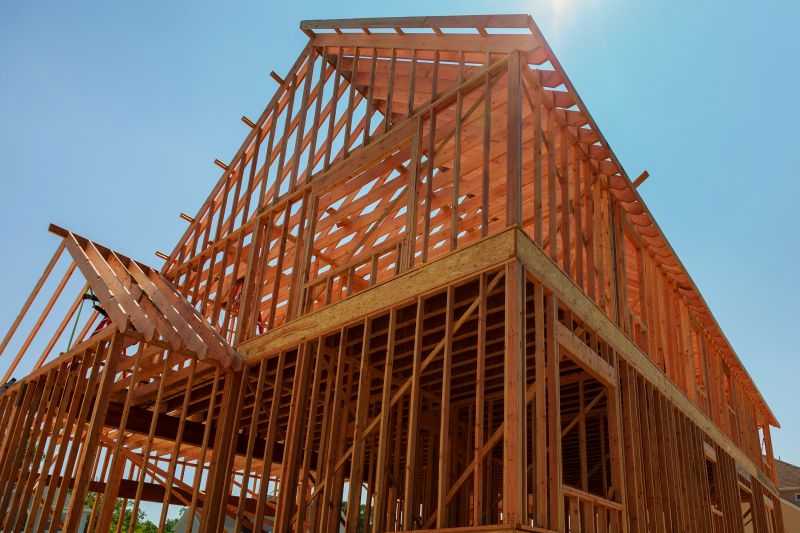
A clear scope builder helps compare local contractors consistently by defining expectations and verifying experience without prices.
- Define project scope - clearly outline the specific features, design elements, and overall objectives of the custom home.
- Verify experience and expertise - assess the contractor’s background in building custom homes similar in scope and style.
- Establish communication expectations - determine how project details, changes, and updates will be documented and shared.
- Set quality standards - specify the materials, finishes, and craftsmanship levels expected in the finished home.
- Document responsibilities and deliverables - create written agreements that specify each party’s roles, responsibilities, and project milestones.
When evaluating contractors for custom home building, it’s important to consider their experience with projects similar in scope and style. Homeowners should inquire about the types of homes the contractor has previously built, paying attention to the complexity and scale of those projects. A contractor with a proven track record in constructing homes that align with the desired design and features can offer insights into their familiarity with the specific challenges that may arise. Verifying the contractor’s experience helps ensure they possess the practical knowledge necessary to manage the unique aspects of a custom build.
Clear communication of the project scope is essential when comparing service providers. A detailed, written scope of work should outline the specific tasks, materials, and standards expected throughout the project. This document acts as a foundation for understanding what is included and what is not, helping to prevent misunderstandings later on. Homeowners should seek service providers who can articulate the scope in detail and provide a comprehensive overview, ensuring that expectations are aligned from the outset.
Verification basics involve confirming that the contractor has the appropriate background to handle a custom home project effectively. This includes reviewing references from past clients, examining portfolios of completed work, and understanding the contractor’s approach to project management. Gathering this information provides a clearer picture of the contractor’s capabilities and reliability. While licensing and certification are not the focus here, confirming a history of successful projects and satisfied clients can serve as important indicators of professionalism and competence.
When comparing contractors, it’s helpful to evaluate options based on their experience, clarity of scope, and verification details rather than solely on price. Homeowners should consider how well each service provider’s expertise aligns with the project’s needs and whether their proposed scope matches the homeowner’s vision. Asking detailed questions about their previous projects, understanding their communication process, and reviewing references can help identify the most suitable candidate. This approach ensures a thorough comparison that emphasizes quality, transparency, and confidence in the contractor’s ability to deliver a successful custom home.
Ask contractors to provide written scope details to ensure clear expectations and consistent project understanding.
- Experience and Portfolio - What relevant projects and experience do the contractors have with custom home building?
- Scope of Work - How clearly do the contractors define the scope and specifications of the project?
- Communication and Expectations - How do the contractors outline communication processes and set expectations in writing?
- Comparison Criteria - What factors should be used to compare contractors beyond pricing and timelines?
- References and Past Work - Can the contractors provide references or examples of completed custom homes?
How can I compare contractors for custom home building? To compare contractors, review their experience, portfolio, and references. Ensure they understand your project scope and can communicate clearly about the work involved.
What should I consider when defining the scope of my home building project? Clearly outline the desired features, design preferences, and specific requirements. Providing detailed plans helps contractors understand expectations and deliver accurate proposals.
How do I verify a contractor’s experience in custom home building? Ask for examples of past projects similar to yours, and request references from previous clients. Confirm that they have a history of completing custom homes successfully.
Why is it important to have written agreements with contractors? Written agreements establish clear expectations, scope of work, and responsibilities, reducing misunderstandings and providing a reference point throughout the project.
What questions should I ask potential contractors during the selection process? Inquire about their experience, approach to project management, communication methods, and how they handle unforeseen issues. This helps gauge their suitability for your project.
How can I ensure that my project expectations are clearly communicated? Use detailed written descriptions, sketches, or plans, and confirm that the contractor understands and agrees on all aspects before work begins. Regular updates during the project can also help maintain clarity.
Understanding the key aspects of selecting a contractor for custom home building can help ensure a smoother process. Visitors have learned how to compare local contractors by defining the scope of the project, verifying their experience, and setting clear expectations in writing. These steps are essential for making informed choices and finding service providers who align with specific project needs.
To explore options and connect with experienced local contractors, using the quote form is an effective next step. This allows for straightforward comparisons among different service providers, helping to identify the best fit for your custom home building project. Taking the time to gather and review proposals can support a well-informed decision-making process.